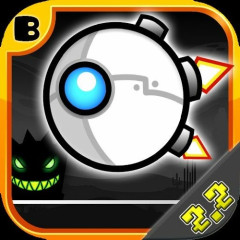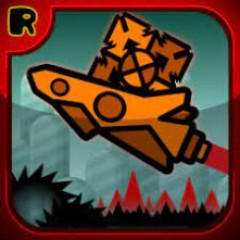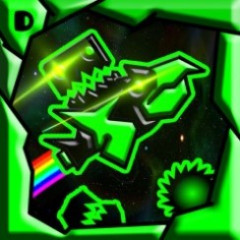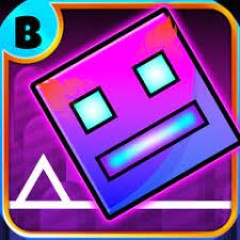
Geometry Dash Switch is a rhythm-based platform game where I guide a character through spikes, gaps, platforms, and timed obstacle patterns daily.
In Geometry Dash Switch, gameplay is about rhythm-based platforming and precise controls. I follow the soundtrack as I move through geometric obstacles, and the beat often gives me a useful clue about when to jump. Once I get familiar with a section, I start noticing how the visual cues and music line up, which makes some patterns easier to anticipate.
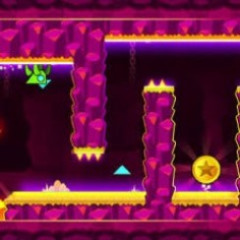
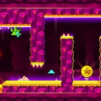
The neon visuals also make the action easy to follow. I see bright geometric shapes, clean platforms, and smooth movement while the background works with the music to give each section its own feel. The electronic soundtrack can grow more intense or shift its pace, and I find that affects how quickly I expect the next jump.
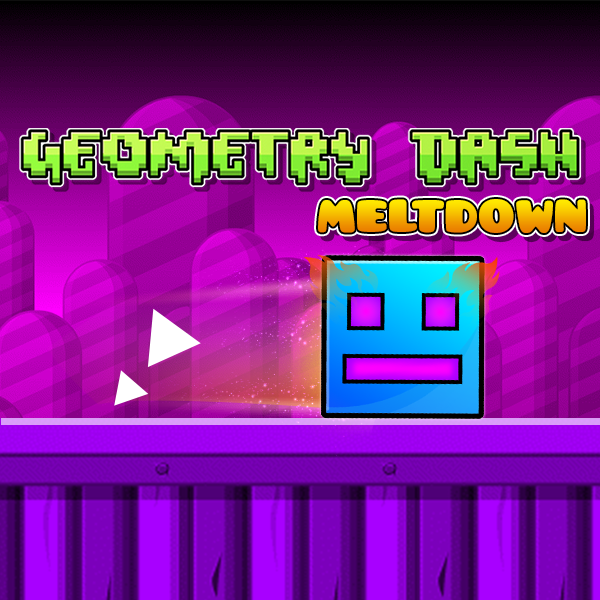
For players who like rhythm-based platforming, precise timing, and obstacle-dodging gameplay, other Geometry Dash-style games such as Geometry Dash Meltdown, Geometry Dash Lite, and Geometry Dash Breeze can provide a similar practice and pattern-learning experience.
I use Practice Mode when a level has one particular sequence that keeps ending my run. Instead of repeatedly starting from the beginning, I can concentrate on learning the difficult part, watching the jump patterns, and working out the timing.
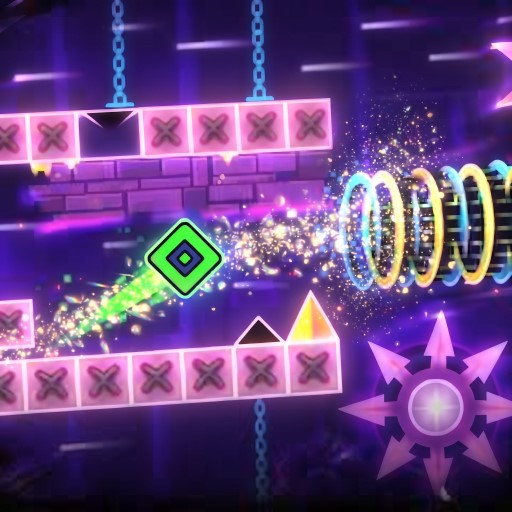
Learn hard sections, watch patterns, and time your jumps
For beginners, this is useful when an unfamiliar obstacle layout feels confusing at first. I also find it helpful after I already know a level because repeating the same section helps make my movements more consistent. My approach is to work on one troublesome sequence at a time rather than trying to memorize the entire level in one go.
Normal Mode is where I try to complete the whole level from start to finish. There is less room to recover from mistakes because I need to keep my timing steady throughout the run.
I have to remember the patterns, react quickly, and avoid losing concentration after several successful sections. For longer stages, I find it easier to think of the level as a series of smaller sequences. Focusing only on the section immediately ahead keeps me from getting overwhelmed by everything that remains.
It starts with simple controls, but later obstacle patterns can make accurate timing and reaction speed much harder.
Tight jumps, spikes, gaps, changing movement patterns, and the need to maintain timing throughout a full run make mistakes easy.
I use it to repeat difficult sequences, study obstacle patterns, and improve my timing without repeatedly playing the entire level.